Buying a Used EV in Canada: Battery, Warranty and Recall Checks
A low asking price is only the start of a used-EV comparison. For a Canadian buyer, the better question is whether that particular car has the battery condition, warranty coverage and charging fit to serve its next owner. A cheap vehicle can still be the wrong purchase if an expensive repair or an impractical charging routine comes with it.
This is a buying checklist, rather than a ranking of today’s cheapest models. Prices and availability need to be compared in your local market, using vehicles with similar age, kilometres, equipment and condition.
Start with the battery and an independent inspection
BC Hydro’s used-EV guidance recommends an inspection and history check that includes battery condition. Ask an independent shop familiar with the model what battery assessment it can provide, what the result measures and what it cannot establish. A dashboard range estimate alone is not a battery-health report.
Request the service and collision history, and have the inspection cover the rest of the vehicle too. Tires, brakes, suspension, charging hardware and prior damage still belong on the checklist. Arrange a test drive and confirm that the car charges with the equipment you intend to use.
Get the remaining warranty in writing
Do not assume every used EV has the same battery coverage. Ask the manufacturer or an authorized dealer to confirm the exact VIN’s original in-service date, kilometre limit, remaining coverage, transfer conditions and any battery-capacity terms. Keep the written response with the inspection report. An advertised warranty length is not the same as the coverage remaining on a particular used car.
Check recalls against the VIN
Transport Canada advises used-car buyers to check its recall database and the manufacturer’s VIN tool, where available. An authorized dealer can confirm outstanding repairs and whether a recall remedy has already been completed. Ask for that evidence before taking delivery, and register your contact details with the manufacturer after purchase.
Compare the whole cost, then the asking price
The federal Office of Consumer Affairs recommends an independent inspection, history checks and budgeting beyond the purchase price. For an EV, add an insurance quote, any required repairs, the cost of your charging arrangement and financing charges to that comparison.
Check where you can reliably charge, the connector and equipment required, and whether the vehicle suits your longest routine trip. If you are still comparing battery-electric cars with hybrids, our Canadian powertrain guide explains the differences.
Use a simple decision rule: compare documented condition and total cost between similar local vehicles. If the seller cannot support a battery or warranty claim, leave that uncertainty in the comparison rather than treating the claim as a saving.
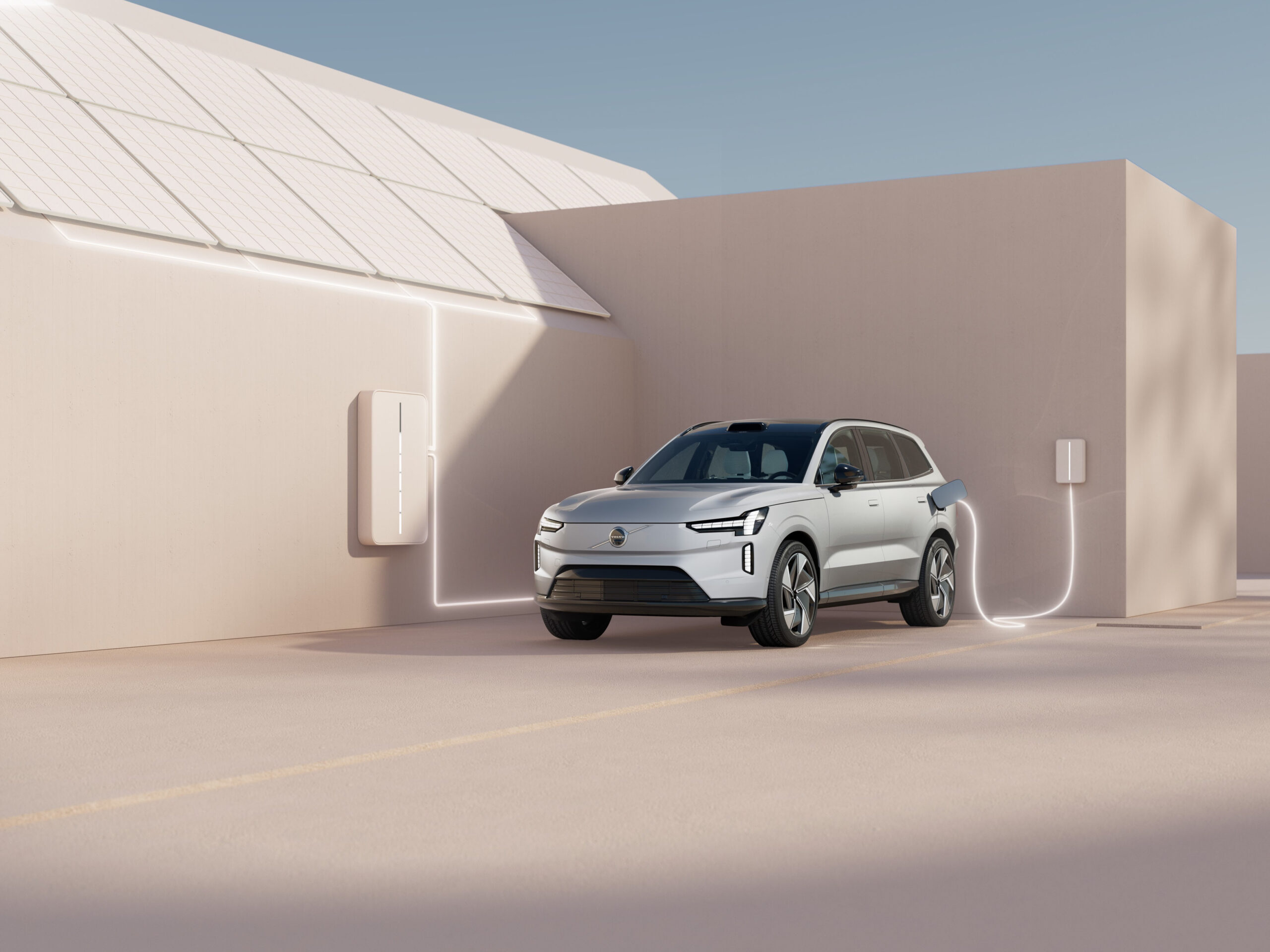
Representative archive Volvo EX90; not a Canadian sale listing, inspected vehicle or model recommendation. Resized for web.