


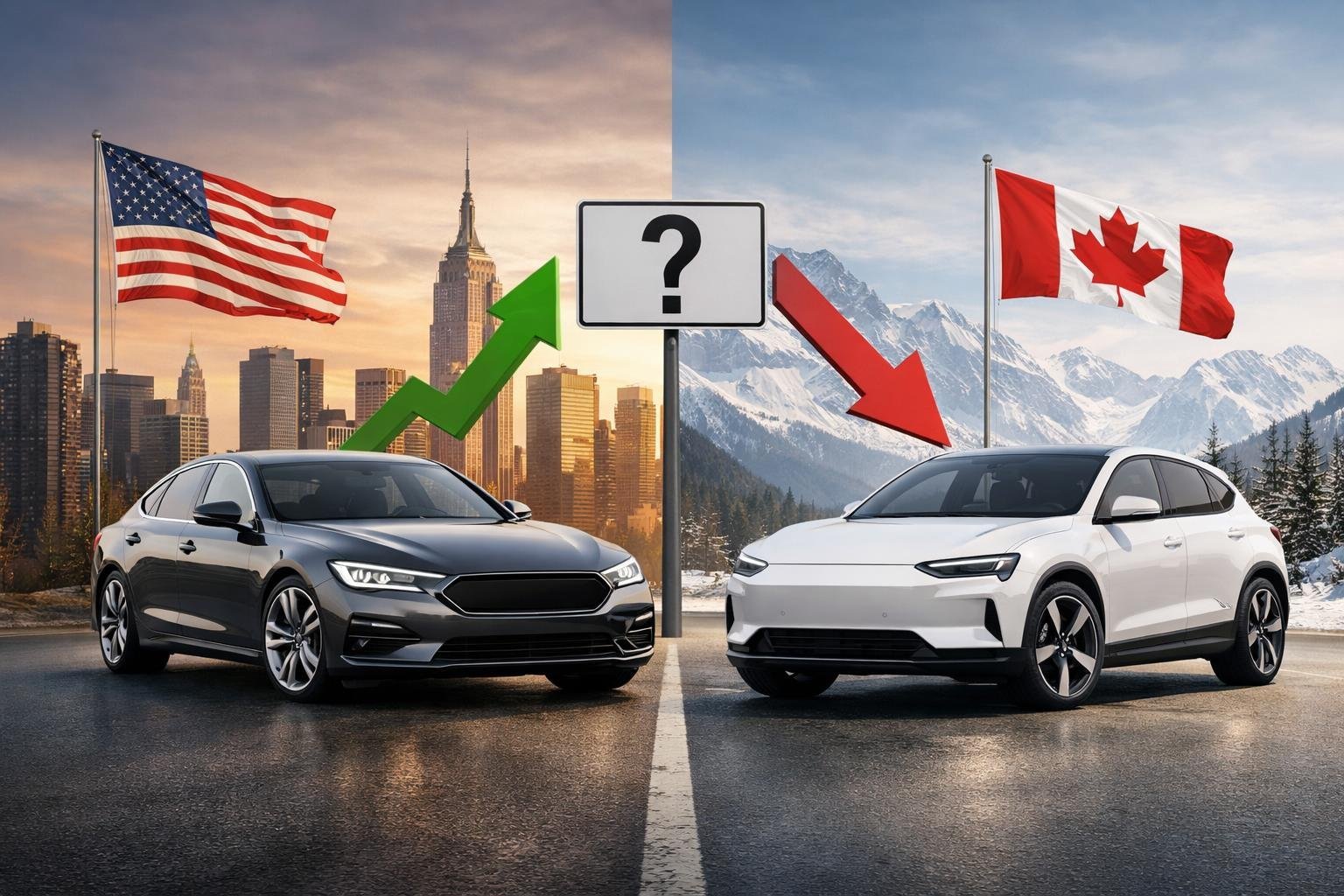
The American Customer Satisfaction Index’s 2026 automobile study shook up the usual pecking order in the U.S., with Mercedes‑Benz taking the luxury lead and hybrids outperforming EVs on owner satisfaction. For Canadian shoppers the headlines are useful as a conversation starter, but they don’t tell the whole story north of the border.
This piece walks through what ACSI actually measured, why those U.S. results may not map directly to Canada, and the practical steps Canadian luxury‑market buyers should take before writing a deposit cheque—especially if they’re weighing EVs against hybrids or gasoline models.
What Happened
The American Customer Satisfaction Index (ACSI) Automobile Study 2026 surveyed 6,699 U.S. vehicle owners (responses collected between July 2025 and June 2026) and reported these headline findings for the U.S. market:
- Toyota led the overall industry with an ACSI score of 83.
- Mercedes‑Benz led the luxury segment with a score of 81 (down 1%).
- Lexus fell to 78 (a drop of 10 points from the previous year), losing the top spot it held the year before.
- The luxury and mass‑market segments tied at an overall ACSI index of 78 in 2026—removing the usual advantage luxury brands have held.
- By fuel source, hybrids scored highest for owner satisfaction (80), gasoline vehicles scored 78 and EVs scored 72.
- ACSI highlighted growing complaint areas for luxury owners around dealer/service/customer support, electrical/battery/software systems and engine/powertrain issues; complaint rates for luxury brands increased noticeably.
Autoblog and other outlets summarized these ACSI results for U.S. readers; ACSI’s press release is the primary source for the scores and sample details.
Canadian Context
ACSI measures U.S. owners and U.S. dealer and service networks. That matters for Canadians because dealer networks, warranty handling, service capacity and model lineups differ between the two countries. In short: a brand that scores well (or poorly) in the ACSI U.S. study is not guaranteed to match that standing in Canada without Canadian‑specific data.
Two Canada‑specific factors stand out when interpreting the ACSI findings for Canadian buyers:
- Federal incentives: Canada’s Electric Vehicle Affordability Program (EVAP) launched a point‑of‑sale incentive program in 2026. For eligible transactions, it offers up to $5,000 for battery electric vehicles (BEVs) and up to $2,500 for eligible plug‑in hybrids (PHEVs). EVAP affects affordability and can materially change ownership economics compared with the U.S., but eligibility depends on transaction details, vehicle price and origin-of-manufacture rules.
- Winter and range: Canadian winters are harsher than most of the U.S. sample’s environment. Real‑world Canadian testing (for example CAA winter EV testing) shows winter range losses commonly in the mid‑teens to high‑30s percent for many EVs. That loss of usable range, and the need for effective cabin heating, tends to shape owner satisfaction in Canada differently than in milder climates.
Provincial incentive programs are also uneven across Canada: program rules, availability and pauses vary by province, so the true out‑of‑pocket cost and ownership experience differ depending on where you live.
Key Details
- ACSI sample and timing: 6,699 completed owner surveys collected July 2025–June 2026 (U.S. owners).
- ACSI headline scores: Toyota 83 overall; Mercedes‑Benz 81 (luxury leader); Lexus 78 (–10); overall industry and luxury both 78.
- Fuel‑source satisfaction (ACSI): Hybrids 80, Gasoline 78, EVs 72 (U.S. sample).
- Complaint areas highlighted by ACSI for luxury owners: dealer/service/customer support; electrical/battery/software; engine/powertrain.
- Canadian federal program: EVAP point‑of‑sale program began in 2026 (Transport Canada); offers up to $5,000 for eligible BEVs and up to $2,500 for eligible PHEVs. Buyers must confirm eligibility rules for their transaction.
- Winter performance context: CAA and other Canadian testing show winter EV range reductions commonly in the mid‑teens to high‑30s percent; this is a frequent practical concern for Canadian EV owners.
What This Means for Canadian Buyers
Practical takeaways for Canadians evaluating luxury brands or electrified powertrains:
- Don’t assume U.S. satisfaction rankings translate directly to Canada. ACSI’s results reflect U.S. owners; Canadian dealer experience, regional inventories and warranty handling can change the ownership outcome.
- Verify incentives before you buy. EVAP and provincial rebates can materially affect total cost; confirm eligibility and have dealers put any incentive commitments in writing. Transport Canada’s EVAP pages are the authoritative source for federal rules.
- Factor winter range into EV decisions. Real‑world winter range loss is well documented in Canadian tests; plan for how that affects daily use, long runs and cabin heating demands.
- Hybrids remain an attractive compromise. ACSI found hybrids scored highest for owner satisfaction in the U.S., and their resilience to cold and lack of range anxiety make them pragmatic choices in many parts of Canada.
- Check dealer service quality and electrical/software warranty coverage. ACSI flagged service and electrical/software as luxury complaint hotspots—so local dealer competence and service capacity are part of the ownership equation in Canada.
- Resale expectations: ACSI notes resale expectations were higher for hybrids than EVs in its U.S. sample; Canadian buyers should verify resale dynamics in their provincial used market before assuming long‑term value.
Competitor and Market Context
ACSI’s 2026 findings referenced several brands that Canadian luxury shoppers know well: Mercedes‑Benz, Lexus, BMW, Audi, Cadillac and Tesla. The study highlights movement among those names in the U.S.; whether that movement mirrors Canada requires Canadian data.
Separately, industry reporting indicates some buyers are “trading down” to mainstream brands as mainstream vehicles add features and affordability tightens. That trend—reported in broader industry coverage—has implications for luxury brand loyalty and may influence how luxury automakers prioritize service and software reliability going forward.
Speedhounds Analysis
Interpretation: The ACSI 2026 results point to a broader recalibration in owner expectations. Luxury buyers historically tolerated higher ownership costs because of perceived quality and service advantages; when those advantages narrow—whether through software issues, service bottlenecks or improved mainstream product—owner satisfaction rankings can shift quickly.
For Canadian buyers this matters on three fronts. First, the ownership experience is local: stronger or weaker dealer networks and aftersales teams will move the needle on satisfaction. Second, EV ownership in Canada is a different proposition than in many U.S. regions because of winter conditions and fragmented charging infrastructure; the ACSI‑reported gap in EV satisfaction therefore likely understates the practical concerns Canadian EV buyers experience. Third, federal incentives such as EVAP can reshuffle affordability calculations quickly—potentially offsetting some EV satisfaction pain points but adding complexity around eligibility and documentation.
What Speedhounds would like to see next: a Canada‑specific owner satisfaction snapshot—either from established polling firms operating in Canada or from a Speedhounds reader survey—plus Canadian winter range comparisons of luxury EVs and dealer service interviews to verify whether the U.S. trends are appearing here as well.
Bottom Line
ACSI’s U.S. 2026 survey is a useful indicator that customer expectations are changing, and that hybrids currently score better than EVs in owner satisfaction. For Canadian buyers, the headline matters—but it should not replace Canadian‑specific checks: confirm incentives, verify dealer/service capability, test winter range and consider hybrids as a pragmatic alternative where winter and charging infrastructure remain concerns.
Frequently Asked Questions
Are ACSI’s 2026 results applicable to car buyers in Canada?
ACSI’s Automobile Study 2026 surveyed U.S. owners and reflects U.S. dealer networks and ownership conditions. The results are informative but not directly transferable; Canadian buyers should seek Canada‑specific satisfaction data and verify local dealer/service experience.
What does Canada’s EVAP program do?
Transport Canada’s Electric Vehicle Affordability Program (EVAP) launched a point‑of‑sale program in 2026. For eligible transactions it offers up to $5,000 for battery electric vehicles (BEVs) and up to $2,500 for eligible plug‑in hybrids (PHEVs). Eligibility depends on transaction date, final transaction value and other rules; buyers should confirm details on Transport Canada’s EVAP pages and get written confirmation from dealers.
If hybrids scored highest in ACSI, should I buy a hybrid in Canada?
ACSI reported hybrids scored highest for owner satisfaction in the U.S. Given Canada’s winter range impacts on EVs and variable charging infrastructure, hybrids are often a practical choice for many Canadians. That said, individual needs, route patterns and incentive eligibility should guide any final decision.
Why did Lexus fall in ACSI’s rankings?
ACSI’s 2026 results show Lexus’s score dropped by 10 points to 78, costing it the top spot. ACSI reported the change in score but did not assign a definitive cause in the press release; ACSI highlighted dealer/service and electrical/software issues as common complaint areas for luxury brands generally.
What should I ask a dealer before buying a luxury EV or hybrid in Canada?
Ask for written confirmation of any federal or provincial incentives that will apply to your exact transaction; confirm warranty coverage for battery/software systems and local dealer service turnaround times; and request any documentation about vehicle origin if incentives depend on place of manufacture. Also arrange a winter‑condition test or ask about winter performance data for the exact model and powertrain you plan to buy.