Chinese-made EVs expected to be more common in Canada in 2027
International Trade Minister Maninder Sidhu says Chinese-made electric vehicles will likely become more common in Canada in 2027 as Chinese automakers work through federal certification, according to The Globe and Mail. Most of the quota used so far reflects Tesla vehicles built in China, and few of the Chinese-made EVs that arrived in 2026 carry Chinese brands.
The arrangement Canada announced on January 16, 2026 allows up to 49,000 Chinese-made EVs a year at the 6.1% most-favoured-nation tariff, in place of the 100% tariff that Canada and the United States each imposed in 2024. The quota took effect on March 1, 2026, and the first quota year ends on February 28, 2027.
| Quota term | Detail |
|---|---|
| Year-one quota | 49,000 vehicles |
| Tariff on quota vehicles | 6.1% |
| Previous tariff | 100% |
| Quota took effect | March 1, 2026 |
| First quota year ends | February 28, 2027 |
| Annual increase in the quota | 6.5% |
Where the quota stands
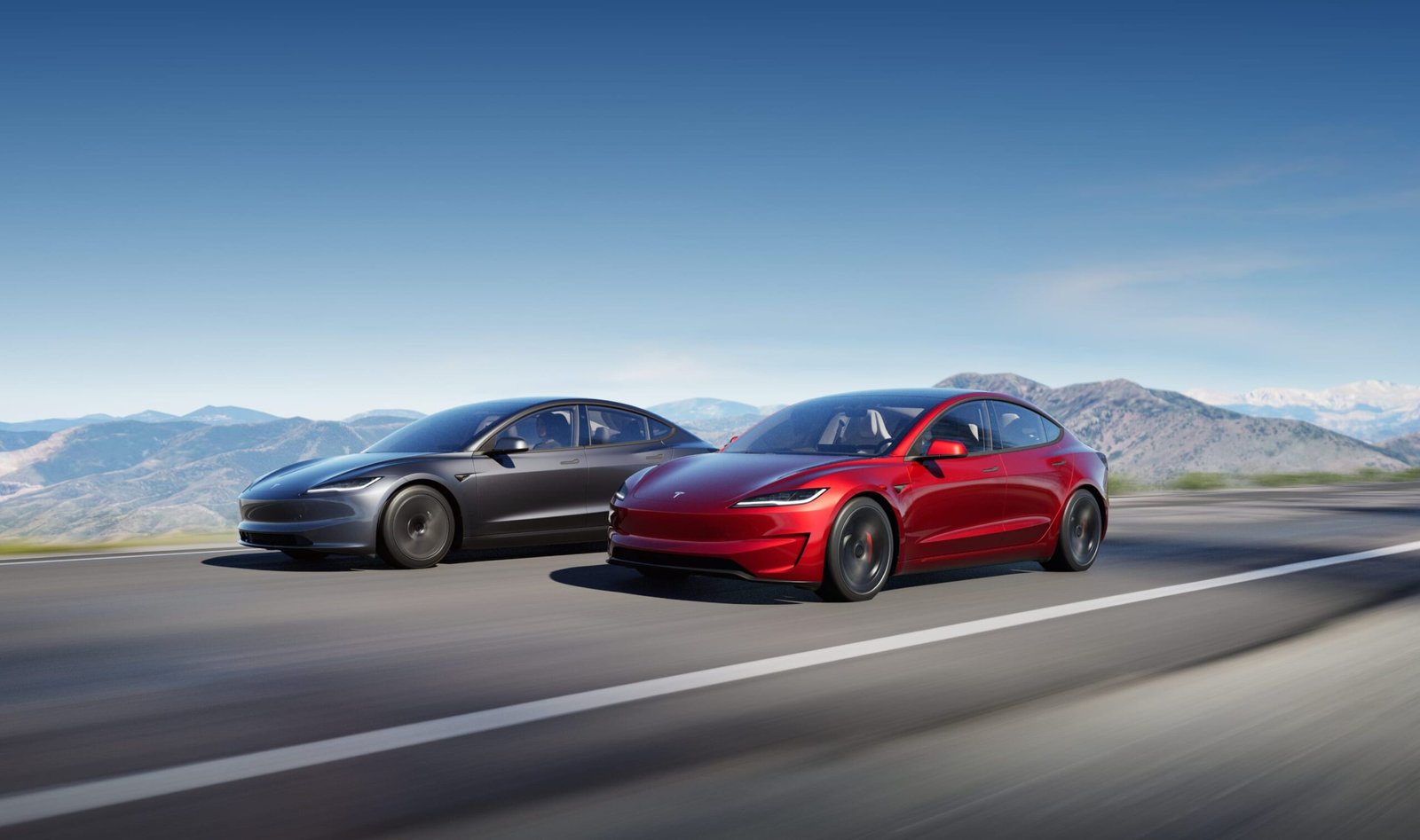
About 16,200 Chinese-made EVs had entered Canada as of September 30, based on figures on a Global Affairs Canada website. That compares with about 15,600 in mid-September, a figure the Financial Post attributed to Sidhu’s office. Tesla accounts for most of the use so far, and its Shanghai-built Model 3 is offered in Canada from $39,490 before taxes and fees. Polestar and Volvo vehicles have also arrived.
Sidhu’s office said about half of the vehicles shipped by mid-September had a freight-on-board value of $35,000 or less. That is the value before shipping, not the Canadian retail price, and it excludes customs duties, taxes and other costs.
How the rules change after year one
Canadian Auto Dealer reported that the quota rises 6.5% a year. From year two, 10% of the allocation is reserved for EVs with a freight-on-board value of $35,000 or less, and that share rises to 50% by year five.
Certification and who is waiting
Federal approval of models intended for the Canadian market is a key step before broader sales can begin, and automakers can take 12 to 24 months to certify that a vehicle meets Canadian safety standards. Huzaif Qaisar, a spokesperson for Sidhu, said in September that the government expected arrivals to accelerate significantly over the following six months and that it is helping automakers with safety certification.
BYD and Geely are among the manufacturers working through certification, according to Charge News. Reuters reported that BYD plans six Canadian dealerships and has started compliance procedures for two passenger vehicles. Three companies had received access to the quota as of September, and Sidhu’s office declined to name them. Sidhu posted in April that he had met BYD, XPeng and GAC Aion in China about selling vehicles in Canada.
What dealers and analysts expect
Bruce Rosen, executive director of industry relations at the Canadian Automobile Dealers Association, says the quota’s impact is limited, at under 2.5% of annual sales in a market of close to 2 million new vehicles. He projects about 63,000 vehicles by year five. Robert Karwel, director of OEM solutions at J.D. Power Canada, expects small initial volumes and says local assembly is unlikely in the near term.
Industry Minister Mélanie Joly has said any Chinese assembly in Canada would require majority Canadian ownership, Canadian suppliers and compliance with Canadian labour rules. Dealers may need to invest heavily in stores while allocations stay capped, and a dealer could sell its allocation early and have nothing to sell for the rest of the year.