BC EV Poll: Support for Hybrids and Rebates Is Not a Rule Change
A September Ipsos poll suggests many British Columbians favour two changes to provincial electric-vehicle policy: counting regular hybrids toward EV sales requirements and bringing back purchase rebates. That tells buyers something about public preferences, but it does not change the rules governing a vehicle purchase.
What the September survey found
In its September 21, 2026 release, Ipsos reported that 70% supported counting non-plug-in hybrids toward the sales requirement, while 67% supported restoring provincial rebates for qualifying EV purchases. Opposition was 14% and 20%, respectively; the remaining respondents were undecided.
The Energy Futures Institute commissioned the survey. Ipsos questioned 800 BC adults online from September 8 to 14 and weighted responses by region, age, gender and education. Respondents received policy information before answering. Ipsos gives a credibility interval of plus or minus four percentage points, 19 times out of 20; that should not be described as the conventional margin of error of a random telephone survey.
A hybrid preference is not a purchase incentive
For a shopper, three questions remain separate: what people favour, which vehicles qualify under sales rules, and whether a specific purchase qualifies for a rebate. The poll answers the first question. Its results cannot establish an available discount on a particular car or show that a dealer has stock.
Regular hybrids and plug-in hybrids also need to be distinguished. A buyer comparing them can start with our Canadian powertrain guide, then check the exact model and program criteria rather than relying on a badge or a poll headline.
The policy backdrop has changed
BC’s April 1, 2026 announcement described changes to its Zero-Emission Vehicles Act, including reducing the 2035 sales target from 100% to 75% and removing the prohibition on new internal-combustion vehicle sales from January 2035. It also anticipated further regulatory changes. Older descriptions of a 100% provincial target should therefore not be recycled as current buying advice.
What buyers can take from this
The useful finding is that support for these two policy changes was substantial in this survey. It does not prove that either change will lower transaction prices, and it is not evidence that respondents will buy an EV or hybrid.
Before signing, ask for a written breakdown of the vehicle price, fees and any claimed incentive, with eligibility tied to the exact vehicle and purchase date. Treat political preferences as context for the debate, not a substitute for those checks.
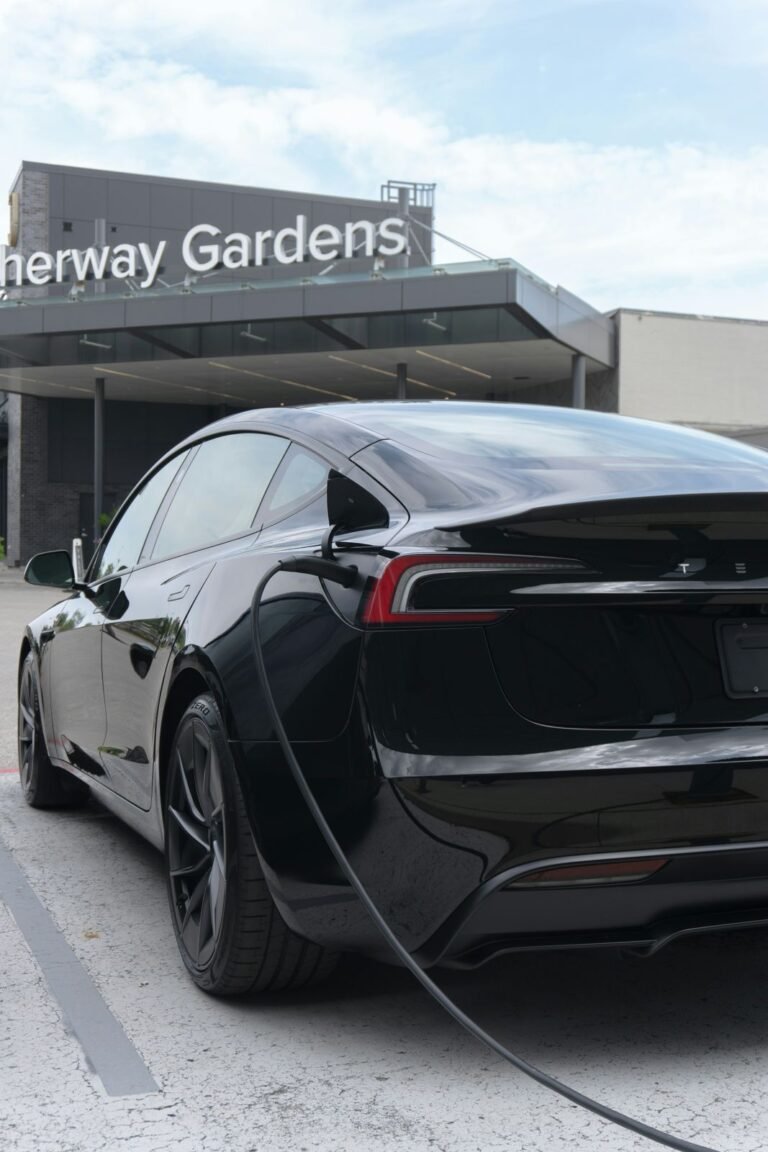
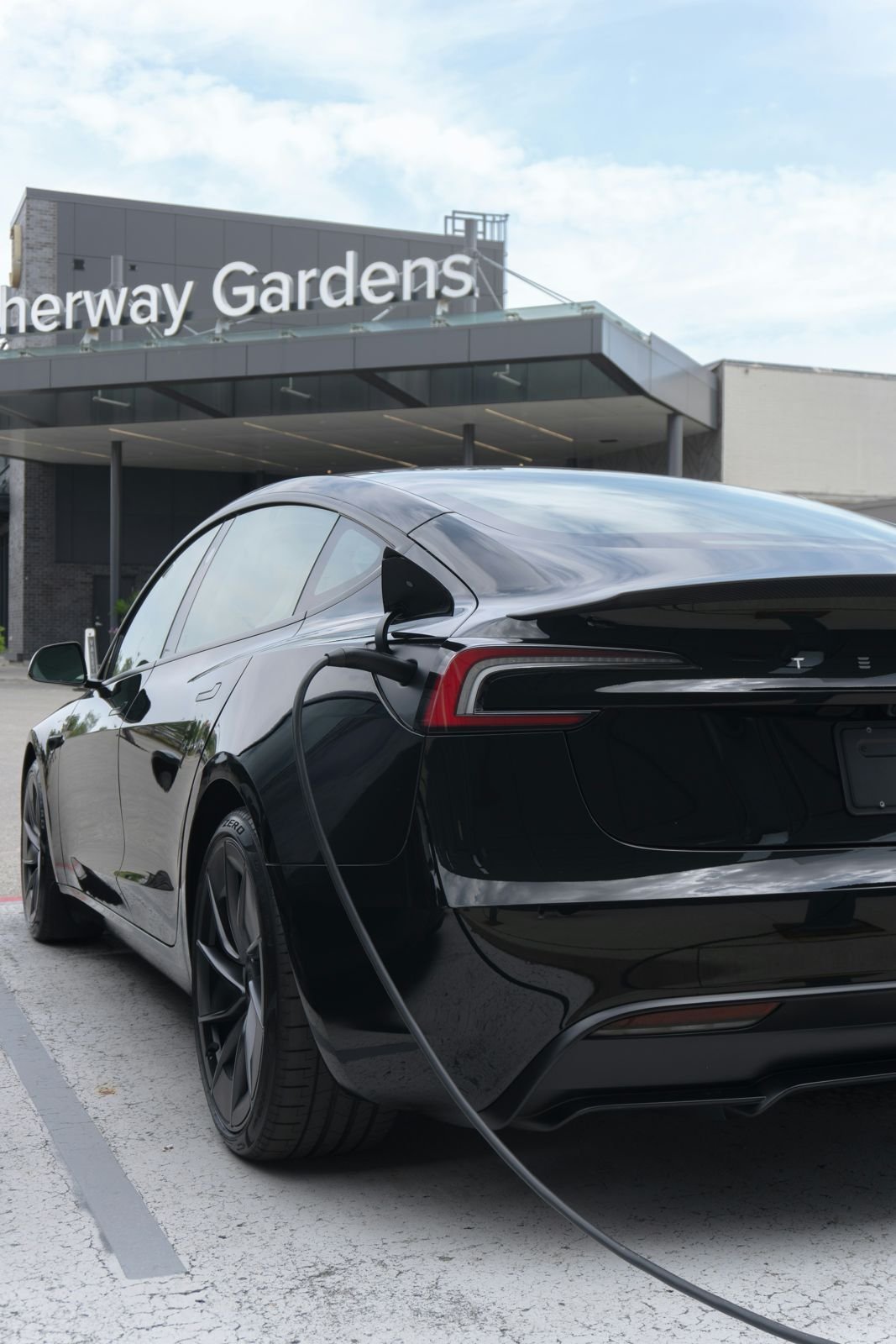
Representative archive photograph of EV charging in Etobicoke, Ontario, in 2024. Photo: Linxi Xie / Unsplash; Unsplash License. Resized for web. Not a photograph of a funded New Brunswick site or a BC policy event.