New BMW X5 Earns Five Stars in Euro NCAP Safety Testing
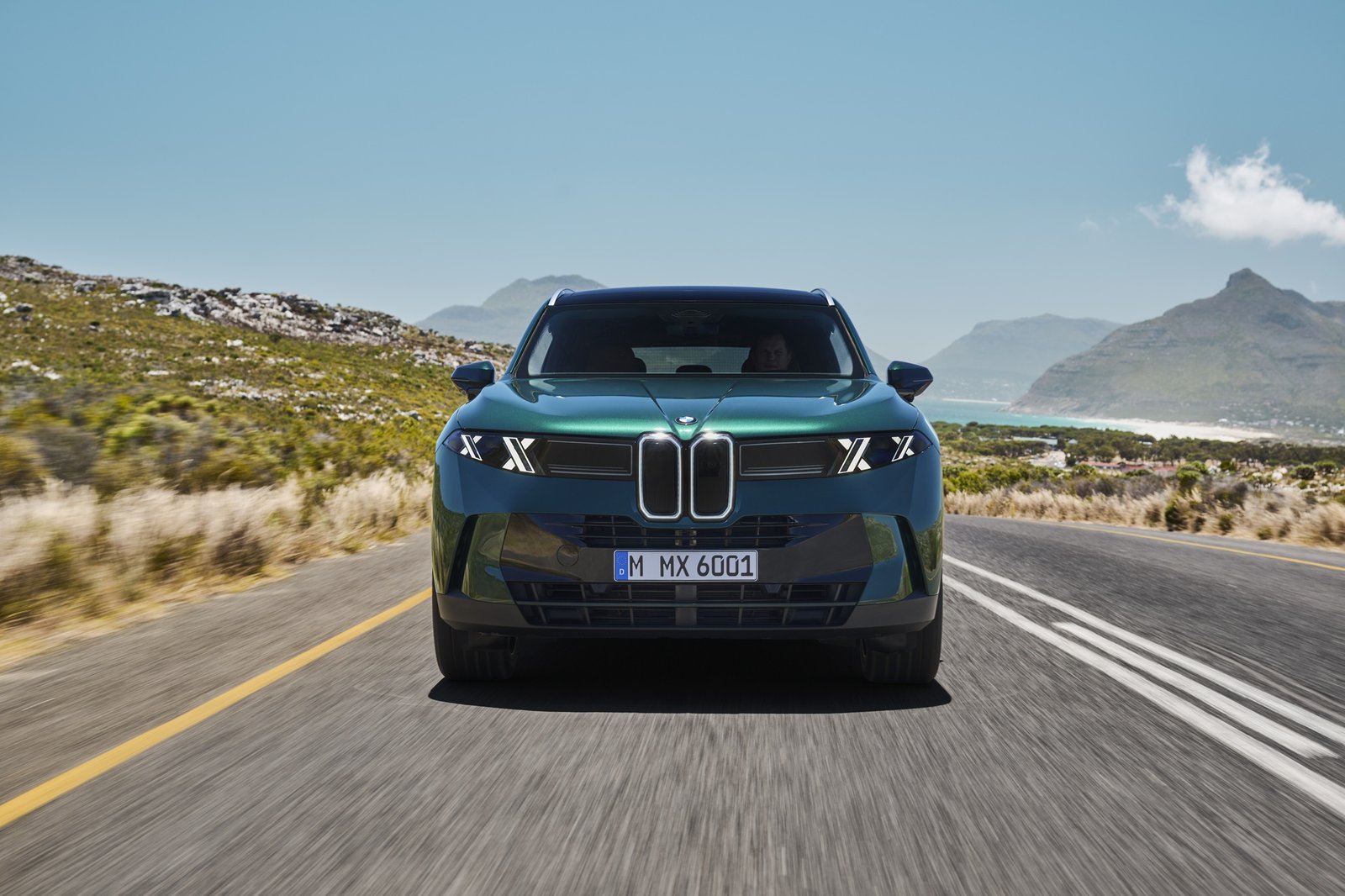
The new BMW X5 has earned the maximum five stars from Euro NCAP, BMW announced on November 19, 2026. The result comes under the safety organization’s 2026 protocol, which BMW says was fundamentally revised this year.
Euro NCAP is a European programme, so the rating is not a Canadian or American one. It still offers a detailed look at the safety systems on a vehicle that BMW sells here.
The Euro NCAP scores
Euro NCAP now grades four areas. BMW reported the X5’s percentages as follows.
| Category | Score |
|---|---|
| Safe Driving | 71% |
| Crash Avoidance | 85% |
| Crash Protection | 87% |
| Post Crash Safety | 92% |
BMW says Safe Driving cleared the five-star requirement by 11 percentage points. Post Crash Safety was the highest of the four.
What earned the points
In Crash Avoidance the X5 scored 100 per cent in avoiding collisions with intersecting traffic and with crossing pedestrians and cyclists, and 100 per cent for protection against dooring accidents, where the car stops a door from opening into an approaching cyclist. Lane departure warning scored 95 per cent.
Crash Protection included 100 per cent in the side barrier and side pole tests, helped by a centre airbag. In Safe Driving, the Speed Limit Info display showed the correct limit on 97 per cent of a route of roughly 2,000 kilometres through Italy and France.
After a collision, the X5 uses enhanced eCall to relay occupant and crash-type data and unlocks its doors automatically. BMW says its optional Winglet door handles also release in a crash, and that it has filed several patent applications on the technology.
X5 in Canada
BMW Group Canada lists the 2027 X5 40 xDrive at a base MSRP of $95,500. The model has a turbocharged 3.0-litre inline-six with 48-volt mild-hybrid assistance and 394 horsepower. BMW began the Canadian rollout in October 2026 with that variant.
BMW Canada says details on the X5 50e xDrive plug-in hybrid and the all-electric iX5 60 xDrive will be announced later. Canadian buyers comparing safety should also look at the results published by the IIHS and NHTSA, which test to North American protocols and are the ratings usually quoted in this market.