Canadian Used-Car Wholesale Values Fall: What Buyers Should Know
Canadian used-vehicle wholesale values fell 0.40% in the week ending October 24, 2026, according to Canadian Black Book. That is useful context for a buyer comparing prices, but it does not mean every dealer has cut retail asking prices by the same amount.
The decline was larger than the previous week’s 0.27% drop and slightly larger than the 0.37% decline in the report’s historical comparison for the same week in 2017–2019. These are market-level wholesale measures, not a discount promised on an individual car.
What changed in the wholesale market?
In its October 27 Market Insights report, Canadian Black Book recorded a 0.50% weekly decline for cars and a 0.33% decline for trucks and SUVs. Mid-size cars fell 1.01%, while luxury cars fell 0.66%. Among utility vehicles, subcompact crossovers fell 0.96% and subcompact luxury crossovers fell 0.87%.
Those differences matter. A national average can hide considerable variation between vehicle types, and an individual vehicle’s age, kilometres, equipment and condition still affect its value. The report does not establish that a particular local listing is overpriced or that the next week will bring another decline.
Wholesale values and retail listings measure different things
Wholesale values concern the trade market. A dealer’s advertised retail price is a separate measure, and the final amount a buyer pays may differ again. Treating the weekly wholesale change as a retail markdown would combine different stages of the market.
The same report placed its retail advertised-price indicator at approximately $37,900, based on a 14-day moving average of roughly 165,000 dealer listings. That is an asking-price indicator across the report’s sample, rather than a record of every Canadian used-vehicle transaction. It cannot tell you the negotiated selling price of the vehicle on your shortlist.
How to use the figures while shopping
Start with several comparable local listings for the same model and trim, with similar kilometres and condition. Check how long each has been advertised and ask the seller to explain any substantial price difference. The weekly report gives you a reason to compare carefully; it does not replace those comparisons.
Keep the purchase price separate from the total cost. Request an itemized quote that identifies fees and applicable taxes, compare financing costs if you plan to borrow, and leave room for an independent inspection and any near-term maintenance. A lower advertised price can lose its appeal if the vehicle needs significant work.
If your shortlist includes an electric vehicle, our Canadian used-EV checklist explains the battery, remaining-warranty and recall evidence to request before buying.
What the report cannot promise
Falling wholesale values are one signal of market movement, not a guarantee of cheaper retail vehicles or a forecast of a market collapse. For a Canadian buyer, the practical next step is to compare the documented condition and complete cost of similar vehicles, then decide whether the asking price makes sense for that specific car.
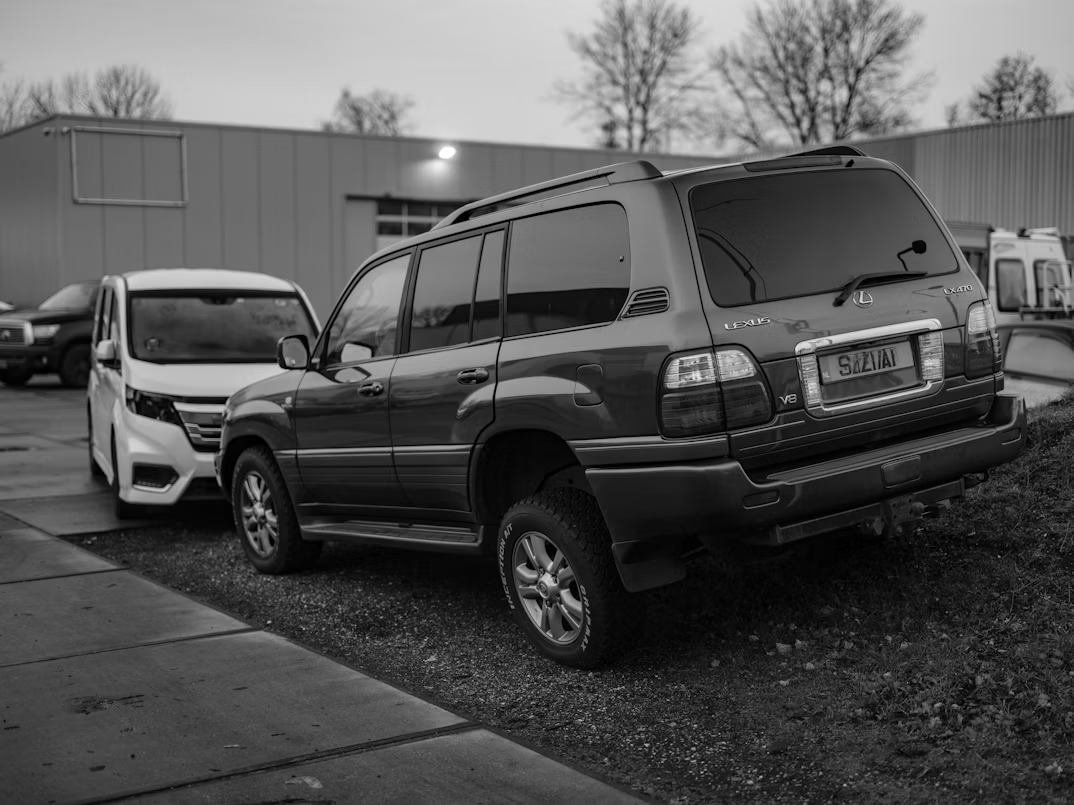
Featured photograph: representative archive image of a used-car sales lot in Almere, Netherlands, January 2025; not a Canadian listing or a vehicle measured in this report. Photo: Haberdoedas / Unsplash, used under the Unsplash License.