EV Rebates in Canada: What Is Available Now
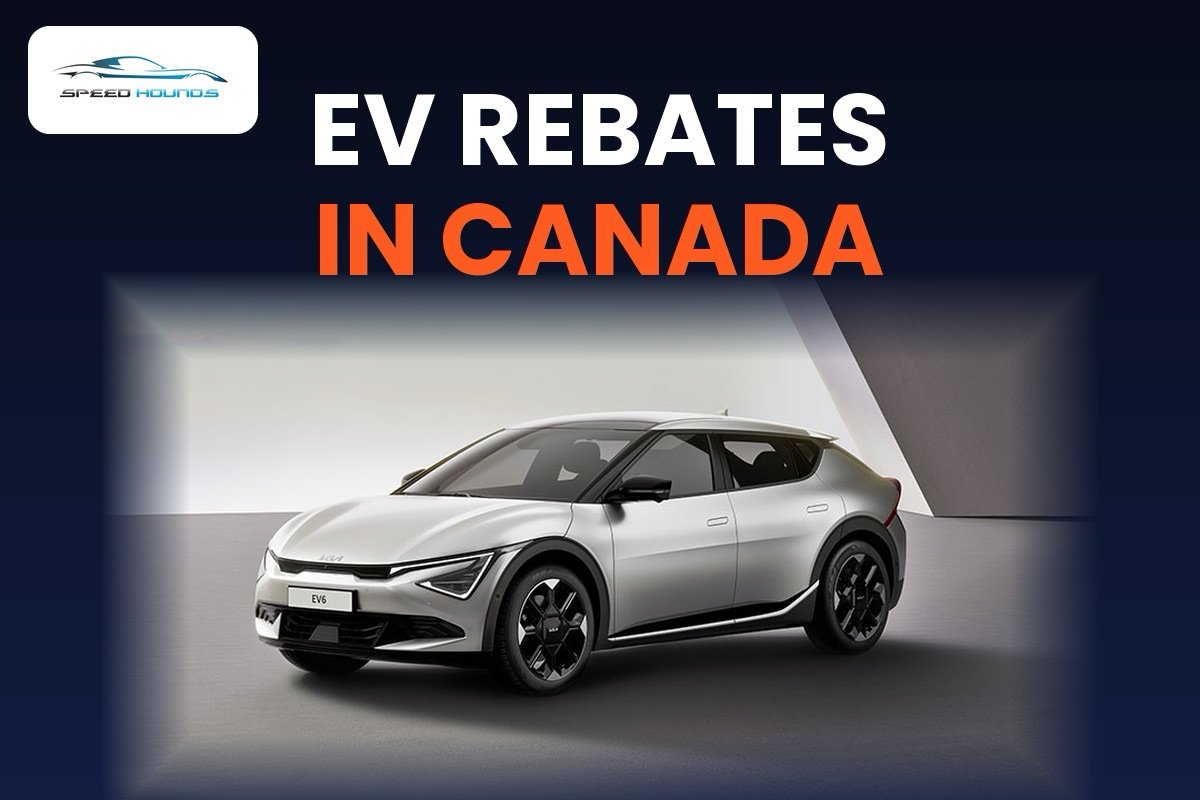
Canada’s federal Electric Vehicle Affordability Program (EVAP) is the main incentive for new electric vehicle buyers right now, and the amount shrinks every January. Transport Canada’s EVAP overview sets out who qualifies, how much they receive and when the money runs out. This guide, current as of November 16, 2026, explains the federal rules in plain terms and where provincial programs fit in.
How EVAP works
EVAP applies to new eligible vehicles bought or leased on or after February 16, 2026. A transaction started before that date does not qualify, even if the vehicle is delivered later. The program runs to March 31, 2031, or until funding is used up, whichever comes first. It replaced the earlier iZEV program, according to Electric Autonomy.
The rebate is not something a buyer claims on their own. An enrolled dealership or authorized seller confirms eligibility, the buyer signs a consent form and an attestation form, and the incentive is applied directly to the bill of sale or lease agreement. Taxes and fees are calculated first, then the incentive comes off. Buyers who do not meet the rules, or who give false information, may have to repay the amount.
How much you can get
The amount depends on the calendar year in which the dealership submits the eligibility assessment, not on the delivery date or the model year. Transport Canada’s schedule steps down each January 1.
| Year | Battery-electric and fuel cell | Plug-in hybrid |
|---|---|---|
| 2026 | $5,000 | $2,500 |
| 2027 | $4,000 | $2,000 |
| 2028 | $3,000 | $1,500 |
| 2029 | $3,000 | $1,500 |
| 2030 | $2,000 | $1,000 |
| 2031 | $2,000 | $1,000 |
With the 2026 amounts set to drop at midnight on January 1, 2027, a purchase that is submitted in the last weeks of December carries a $1,000 higher rebate on a battery-electric vehicle than one submitted in January. Buyers close to a decision should ask the dealer when the eligibility assessment will be submitted.
Who and what qualifies
Canadians, Canadian organizations and businesses can all receive the incentive on a new eligible vehicle. Transport Canada lists these vehicle requirements:
- A light-duty vehicle under 8,500 pounds that meets Canada’s Motor Vehicle Safety Standards and is highway-capable.
- Registered for the first time. Demonstrators with fewer than 10,000 km on the odometer can qualify.
- Made in Canada or in a country that has a free-trade agreement with Canada.
- A final transaction value of $50,000 or less, unless the vehicle is made in Canada, in which case there is no price cap.
The price test is based on the final transaction value rather than the MSRP, which was the basis under iZEV. According to Electric Autonomy, that figure includes the MSRP, factory options, dealer accessories and fees, and leaves out items such as extended warranties, insurance, Level 2 chargers, freight, financing, trade-ins and taxes. Tesla’s Canadian pricing is one example: Drive Tesla Canada reported in March that Tesla’s $2,500 Freight and PDI charge is excluded from the eligibility calculation on the Model Y RWD.
Transport Canada publishes the list of eligible models. Electric Autonomy counted 69 vehicles on it in February, 43 battery-electric and 26 plug-in hybrids, and the list grows as new models arrive. Check the current list before shopping, because eligibility is by model.
Two further points from Electric Autonomy’s explainer are worth knowing. The free-trade requirement means vehicles built in countries without a trade agreement with Canada, including China, do not qualify. And the Canadian-built exception is real: Electric Autonomy cited the Dodge Charger Daytona Scat Pack, built in Windsor, Ontario, as an example of a vehicle that qualifies regardless of its price. The dealer’s confirmation on the specific vehicle matters more than a general list.
Leases and how many incentives you can claim
Leases must run at least 12 months. A lease of 48 months or longer receives the full amount, and shorter leases are prorated. Individuals can receive one incentive over the life of the program. Organizations and businesses under common ownership can receive up to 10, and provincial, territorial and municipal governments up to 10. Transport Canada-approved carsharing companies can receive up to 50 per calendar year.
Provincial programs
Provincial incentives change more often than the federal one, and they differ in amount and eligibility. Quebec is the best-known example. According to Auto123, the Roulez vert subsidy for new battery-electric vehicles fell from a maximum of $7,000 to $4,000 in 2025, and was set to drop to $2,000 on January 1, 2026 and be eliminated on January 1, 2027. Plug-in hybrids were set to fall to $1,000 in 2026, with the subsidy also ending in 2027. Auto123 was published before the 2026 reductions took effect, so confirm the current Quebec amount with the provincial program before relying on it. That article did not say whether Roulez vert can be combined with federal incentives, which is another question to settle with the dealer or the province.
For other provinces, check the provincial government’s own transportation or energy page rather than a third-party summary, since programs open and close with funding.
A short checklist before you sign
Ask the dealer whether it is enrolled in EVAP and whether the exact model and trim appear on Transport Canada’s eligible list. Ask for the final transaction value in writing and confirm that it is at or under $50,000 unless the vehicle is built in Canada. Confirm the year in which the eligibility assessment will be submitted, and check how the rebate appears on the bill of sale. Finally, confirm that no provincial program has changed since you started shopping. Home charging costs, including a Level 2 charger, are separate from the rebate and are not part of the price test.
Because the rebate steps down at the start of 2027 and again in 2028, timing a purchase matters. A buyer comparing a late-2026 purchase with an early-2027 one should include the $1,000 difference on a battery-electric vehicle, or $500 on a plug-in hybrid, in the comparison.