What Chinese ‘Kit Cars’ Could Mean for Canadian Auto Jobs
Chinese-made ‘kit cars’ have become the latest worry for Canada’s auto sector, as Ottawa weighs how a possible manufacturing deal with China could work. A Global News report explains what the term means and why industry groups and economists are cautious about it.
What a kit car is
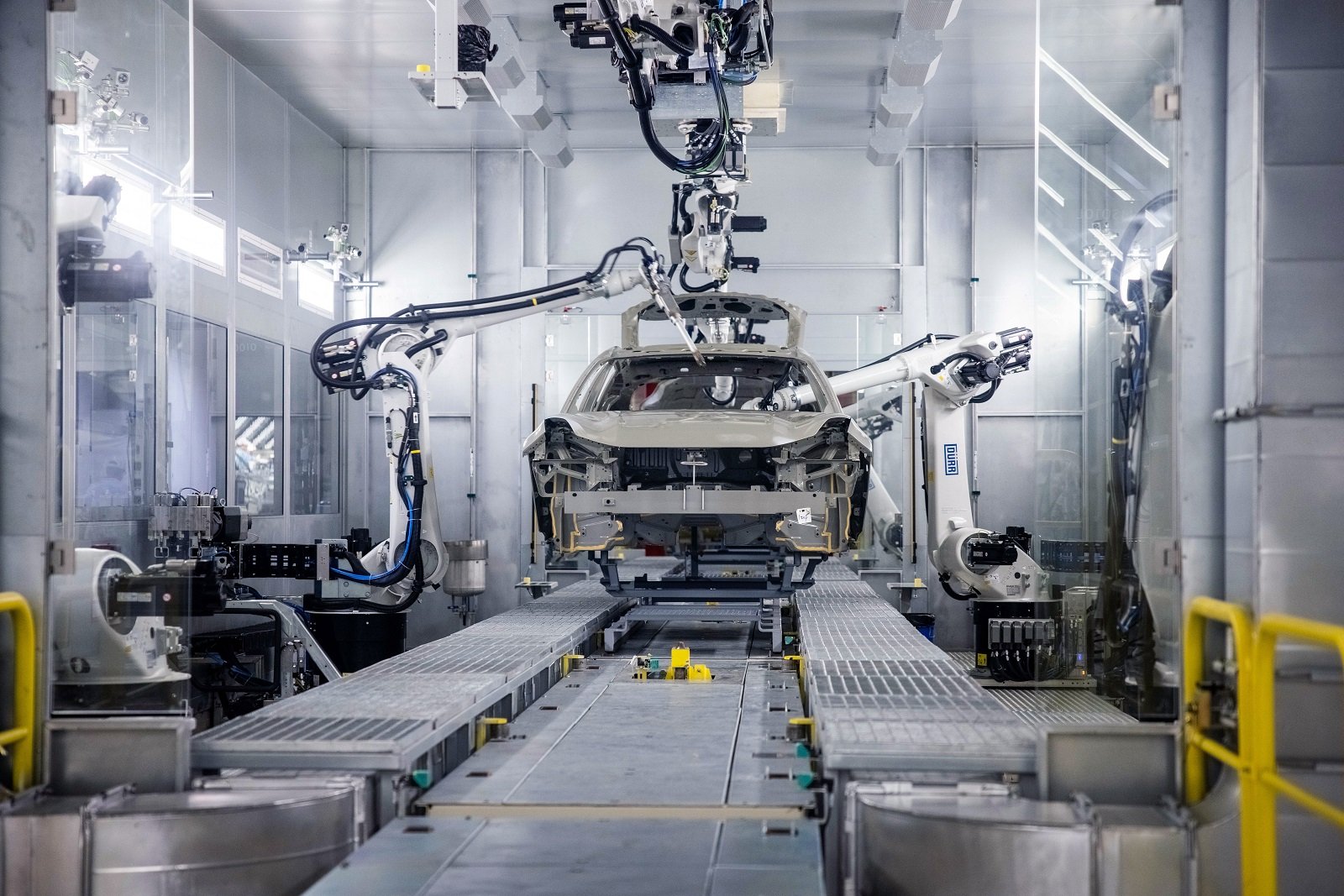
A kit car, also called a knock-down kit, is a vehicle whose parts are made cheaply in China, packed into boxes and shipped abroad to be assembled. Colin Mang, an economist at McMaster University, compares the model to toy kits that people build at home. “The worry about the idea of the kit cars is that all the parts would be manufactured in China,” he said. Under that approach, the vehicle is largely finished before it leaves China, and the local plant handles final assembly.
That matters in Canada because much of the North American auto sector is parts manufacturing, not final assembly, Mang notes. A plant that only bolts together imported kits would employ fewer people than one that also builds the components.
Why the industry is worried
Brian Kingston, president and CEO of the Canadian Vehicle Manufacturers’ Association, says there is no evidence Chinese firms will do anything but knock-down kits. His group represents Ford, GM and Stellantis in Canada. Kingston says Chinese producers undercut competitors with lower labour standards, weaker environmental rules and coal-fired electricity, and he warned that opening the market to China would “destroy” Canada’s auto industry.
He points to Europe, where he cites about 104,000 auto job losses over two years, including more than 40,000 in Germany in six months. Chinese brands are on track for a 20 per cent market share there, he said. His preferred path is a trade deal with Washington, and he says “diversification is not an option.”
| Canadian auto sector (2024, Statistics Canada) | Figure |
|---|---|
| Direct jobs in auto manufacturing | 125,000 |
| Jobs supported indirectly | 427,000 |
| Contribution to GDP | $16.8 billion |
What Ottawa says it wants
On Sunday, Prime Minister Mark Carney said any manufacturing deal with China would need “significant value added” in Canada. Ottawa would not accept an arrangement where only final assembly happens here, he said, and he stressed the use of Canadian critical minerals. Carney also said U.S. tariffs on Canada’s auto sector and Canada’s closer ties with Beijing are “all connected.”
Enforcement is the open question. Elizabeth Donkervoort of the Asia Pacific Foundation of Canada says there is no public evidence of a Chinese plant abroad developing local supply chains, and that Canada lacks a model for enforcing such requirements. Thailand has tried to get Chinese firms to localize production, but it has not matched the localization of Japanese and South Korean automakers. Donkervoort also notes that China has built a complete ecosystem at home, where critical minerals and EV hardware are processed domestically. Kingston goes further: “There is no world in which a Chinese company comes to Canada and builds a domestic supply chain,” he said, arguing that building one here would erase the price advantage Chinese firms rely on.
What it could mean for Canadian car shoppers
For buyers, the upside is price. A second China-based automaker has already begun importing EVs to Canada, with vehicles expected to sell for under $35,000, according to CP24. Those arrive as finished vehicles under a federal quota of 49,000 China-built EVs, of which 16,211 had been imported by mid-November. Our explainer on the quota and its limits and our outlook on Chinese EV models headed to Canada by 2030 cover what is on the way.
Kit assembly in Canada would be a different route to market, and one that would put jobs and local content at the centre of the debate. Geely has already outlined 2027 launch plans for Canada. The deal Ottawa pursues will decide whether cheaper Chinese-brand vehicles reach showrooms as imports, as locally assembled kits, or as vehicles built with deeper Canadian supply chains.