Canadian EV Owners Can Now Earn Cash for Charging at Home
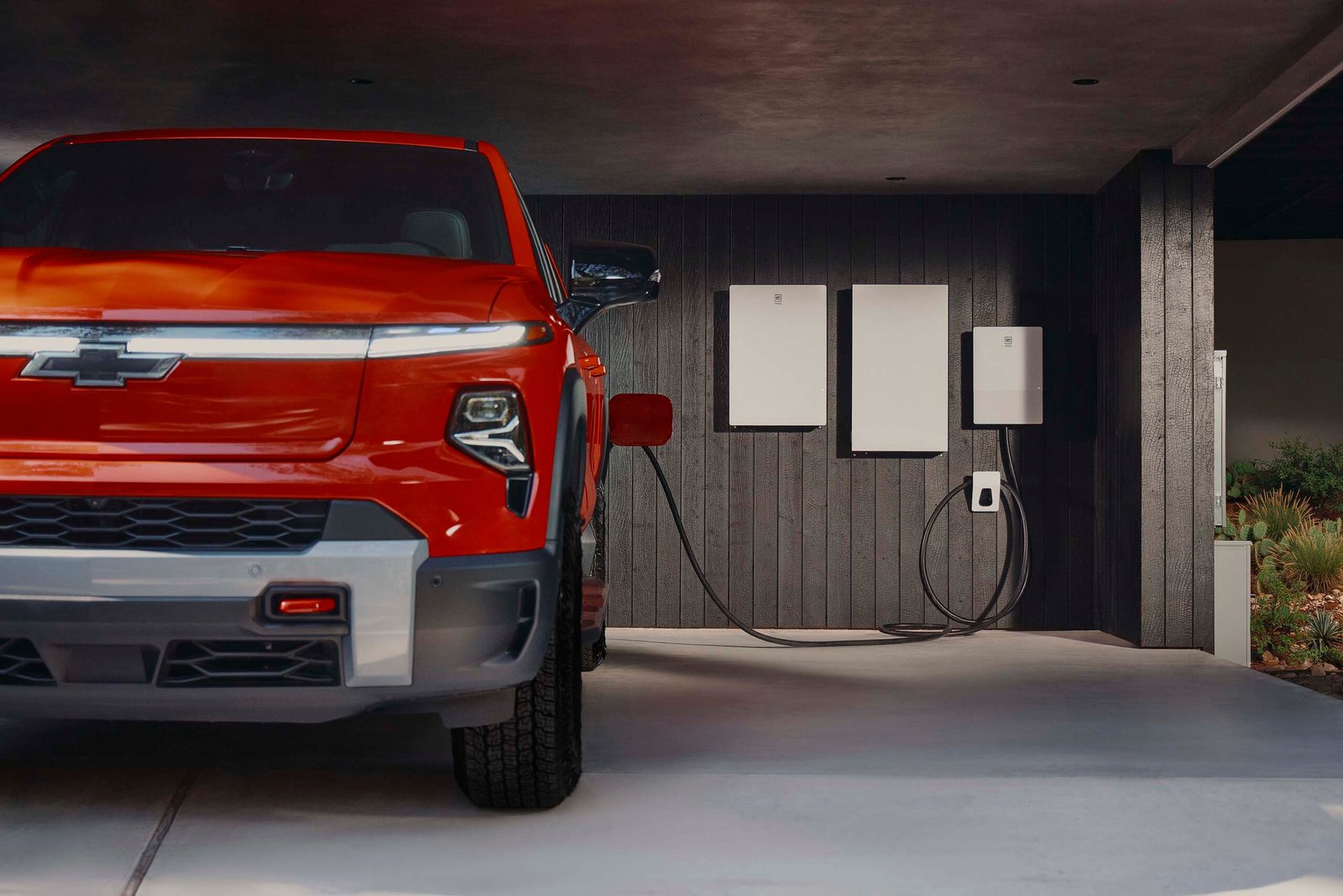
Some Canadian EV owners are now being paid every time they charge at home. Driving.ca recently looked at how Canadians are turning a profit charging their EVs, and the programs behind it mostly pay between 3 and 13 cents for every kilowatt-hour you put in the car (a few promise more), with extra conditions attached.
Where the money comes from
These are private rewards, not government rebates. Under the federal Clean Fuel Regulations, charging companies that register as fuel suppliers earn credits for the electricity they deliver, with each credit representing one tonne of avoided CO2 equivalent. They sell those credits to fossil fuel suppliers and share part of the revenue with the drivers whose charging created it. Drive Tesla Canada notes that only registered charging operators can create the credits, so an individual owner cannot sell their own.
What the main programs pay
Rates are quoted per kilowatt-hour (kWh) charged. Terms change often, so check the provider’s page before you enrol.
| Program | Rate per kWh | Key condition |
|---|---|---|
| Electric Avenue Homeowner Rebate | 13 cents | Charging counted from August 1, 2026; first payments early 2027 |
| Variablegrid Plus | 10 cents | Launched September 24, 2026 with Kia Canada; includes demand response; cash out at $50 |
| Grizzl-E Club | 3 to 10 cents | Rate rises with lifetime kWh; extra 5 cents bonus until September 30, 2027 |
| FLO Reward Program | 10 cents | Enrolment opened November 2, 2026; cash payouts from fall 2027 |
| ChargeLab Rewards | 10 cents | Paid quarterly; $25 per referral |
| SWTCH, Hypercharge, DashSharing | 3 cents, then 11 cents after 1,500 kWh | Refundable deposit of $299 to $350 |
Several regional options also exist, including 10 cents in British Columbia through EcoCharge, 12 cents in Newfoundland and Labrador through Iceberg, and Chargy, which covers six provinces including Ontario and Quebec at 10 cents. Unico Power says customers of its Listo rebate averaged $248 in 2025.
The conditions that matter
Most programs need an internet-connected Level 2 charger that speaks the OCPP standard, and charging that happens offline usually does not count. Tesla Wall Connector owners have fewer choices: WattsApp, RoadToEV and Roulez Electrique Club support it, while Chargy says it does not. A charger can sit in only one program per calendar year, so switching means leaving before December 31.
Variablegrid Plus is the odd one out because it also shifts charging to off-peak hours as part of demand response, although the driver can override it. Deposits on the free-charger offers come back once you hit a kWh threshold, which is 1,500 kWh in several cases.
How much could you earn?
The arithmetic is simple. At 10 cents per kWh, an owner who charges 3,000 kWh at home in a year would collect about $300, though payouts often arrive annually or once a minimum balance is reached. The actual cost of that electricity still depends on your provincial rates and the charger you install, and our guide to public EV charging in Canada covers what charging costs away from home.
The rewards also sit alongside changing incentives. The federal purchase rebate is shrinking, as we reported in our look at the January 2027 drop, and Quebec drivers face a new registration fee covered in our Quebec EV fee explainer. Charging rewards will not offset those changes on their own, but for a household that charges at home every night they can trim the running cost of an EV.