
Stellantis Agrees to Sell Brampton Assembly to Roshel: What Happens to Canadian Auto Jobs?
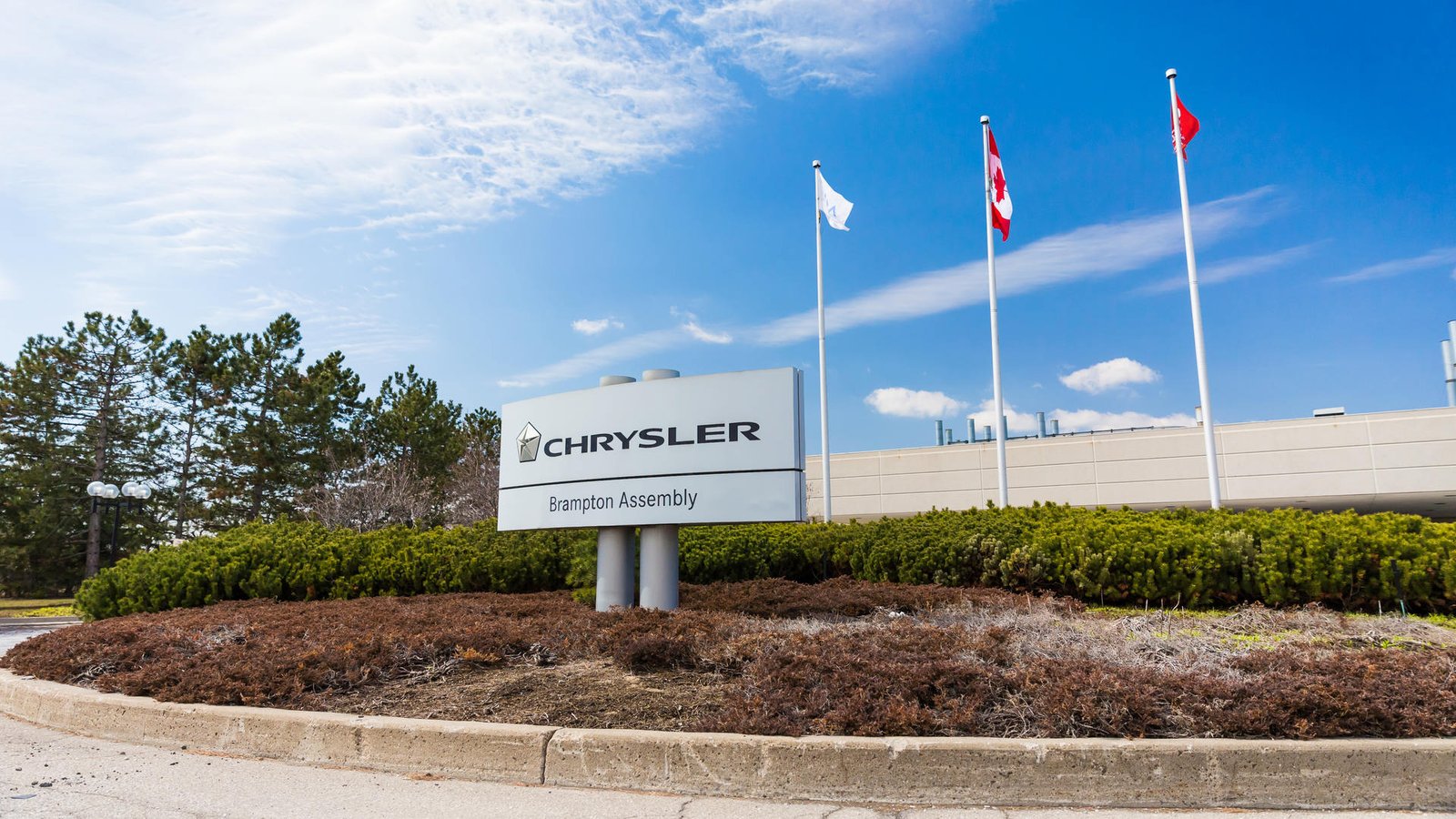
The future of Stellantis’s idled Brampton Assembly Plant is shifting away from passenger-car production. A deal to sell the Ontario facility to Brampton-based armoured-vehicle manufacturer Roshel was reported on November 9, following a preliminary agreement announced in September. The development could return industrial activity to a site that has been inactive since the end of 2023, but it raises difficult questions about automotive employment, union representation and the loss of vehicle assembly capacity in Canada.
A reported agreement and a completed transfer are not necessarily the same thing. Contemporary reporting says the transaction is expected to close by year-end, and its financial terms have not been publicly established. Speedhounds is treating the reported deal as an agreement rather than claiming the plant has already changed hands and restarted production.
How Brampton reached this point
The plant produced the Chrysler 300 and Dodge Charger and Challenger before those vehicles ended production in December 2023. Stellantis had planned to retool Brampton for a new Jeep Compass, but that project was later cancelled in favour of U.S. production. The facility remained idle while workers and suppliers waited for a replacement product.
The loss of the Jeep allocation was not simply a product-planning adjustment for the region. Vehicle assembly supports a network of parts makers, logistics businesses, skilled trades and local services. Once a high-volume plant stops producing, the economic impact extends beyond employees on the assembly line.
Brampton’s own economic-development material identifies the site as a long-standing pillar of the city’s manufacturing economy. The plant sits on a large industrial property with extensive manufacturing infrastructure, making its next use a matter of regional economic significance.
Who is Roshel?
Roshel is a Canadian manufacturer of armoured vehicles for defence, security and other specialist applications. Its Senator family of vehicles has been supplied for military and emergency-response use, including deployments connected with Ukraine. The company has experience in fabrication, vehicle integration and other industrial processes, but its production model differs fundamentally from mass-market car assembly.
That distinction matters. An armoured-vehicle operation can preserve industrial capability and create specialized jobs, but it does not automatically replicate the volume, workforce size or supplier purchasing of a major passenger-vehicle factory. No verified employment plan has yet established how many former Stellantis workers would be hired by Roshel or on what terms.
Earlier reporting also linked Roshel’s potential expansion to future Canadian defence procurement. A possible contract or production opportunity should not be presented as guaranteed business until the relevant awards and funding are confirmed.
Why Unifor is concerned
Unifor has challenged Stellantis over the plant’s future during contract negotiations. In a September letter to federal Industry Minister Mélanie Joly, the union said the potential sale had contributed to an impasse. On November 7, the union said it believed a sale had been finalized even though Stellantis would not confirm or deny that conclusion at the time.
More than 2,000 workers were laid off when operations stopped. Unifor members also authorized a strike mandate, reflecting concern about job security and the bargaining process. The existence of a strike mandate does not mean a strike has begun, and the eventual employment outcome depends on negotiations and the details of the transaction.
The central labour question is whether a new industrial occupant can offer meaningful opportunities to the workforce that previously assembled cars at Brampton. Retraining, hiring commitments, seniority and union coverage would all matter, but none should be assumed from the sale announcement alone.
What happens to public investment?
Stellantis’s earlier retooling plans attracted government attention and support because the project was intended to secure future automotive production. The cancellation of the Compass program and the possible sale create obvious questions about how prior commitments will be handled.
Reporting has raised the possibility of repayment or adjustment of government support, but the amount and legal treatment should not be asserted without official documentation. Canadian taxpayers deserve a clear accounting of what was disbursed, what work was completed and whether any conditions require repayment.
What the sale means for Canada’s auto industry
The most immediate positive outcome would be productive use of a large dormant industrial site. A successful defence-manufacturing operation could preserve manufacturing skills and diversify the local economy. The potential downside is the permanent loss of an established passenger-car assembly facility at a time when Canada is competing to retain auto investment.
These outcomes are not mutually exclusive. Roshel could grow while the broader automotive supply chain still loses business. A factory’s future should therefore be judged by verified jobs, production volumes, supplier spending and long-term commitments, not merely by whether its doors reopen.
For Canadian drivers, there is no immediate new vehicle or showroom consequence. For the automotive sector, however, the question is larger: can Canada replace lost assembly programs with comparable industrial activity, or will sites once central to mass-market car production move into smaller specialist niches?
What to watch next
The next checkpoints are formal closing of the transaction, disclosure of the plant’s planned use, Roshel’s investment and hiring commitments, the treatment of former Stellantis workers and any government funding adjustments. Until those details emerge, describing the sale as a complete solution to Brampton’s employment crisis would be premature.
Sources and further reading: Automotive News; Supporting source 1; Supporting source 2. Speedhounds reporting and analysis; claims identified as projections remain unconfirmed.