VW’s $7-Billion Ontario Battery Plant Slips to 2029
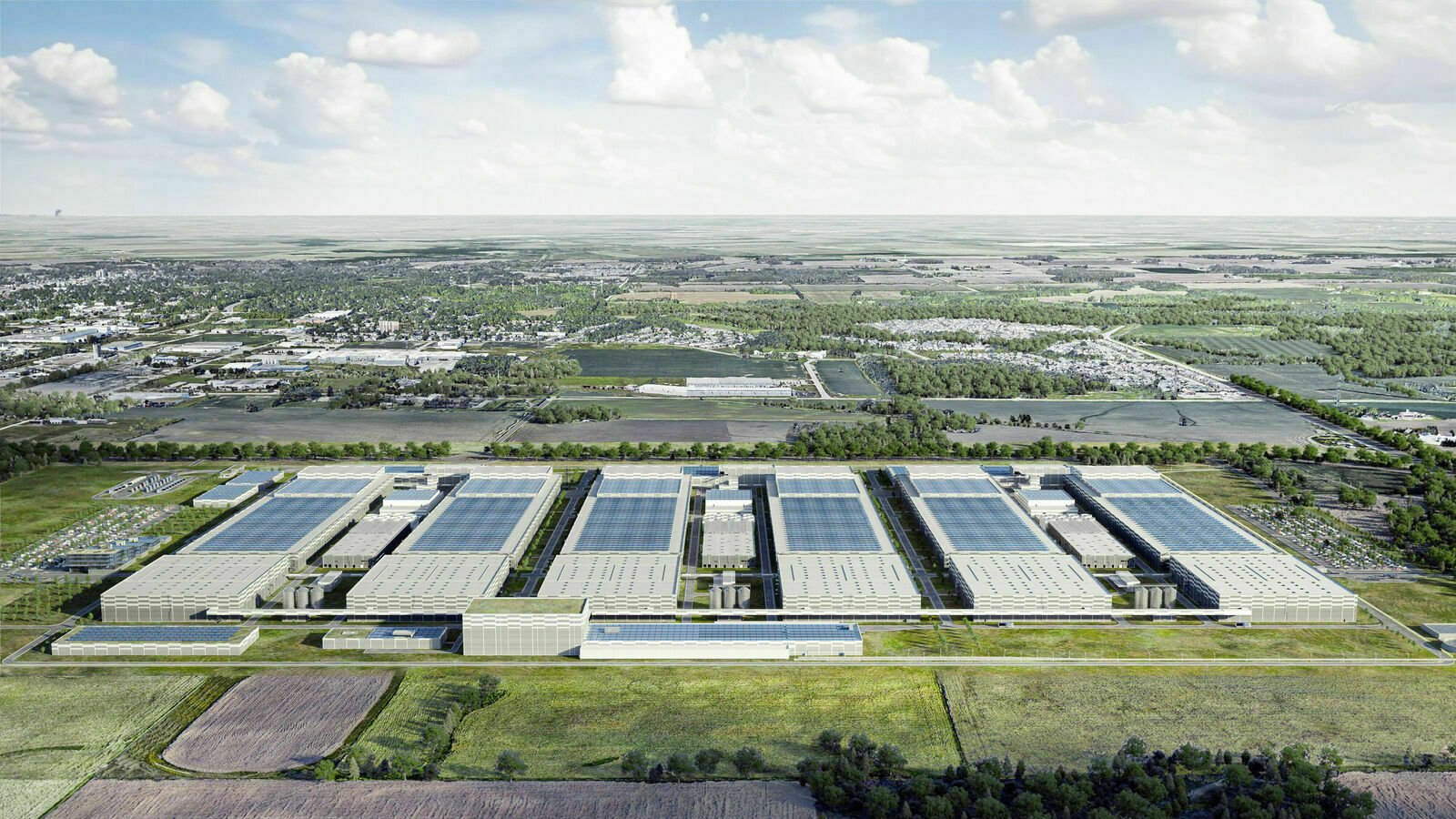
Volkswagen’s battery arm has pushed back production at its St. Thomas, Ont., cell factory by two years, from 2027 to 2029, a delay reported by InsideEVs and first confirmed by PowerCo on September 24, 2026. The company says the site, announced in 2023 as its largest cell plant anywhere, is still going ahead. For Canadian buyers and workers, the change moves the first Ontario-built Volkswagen battery cells well past the period when federal EV incentives are scheduled to step down.
What PowerCo has said about the new timeline
PowerCo named EllisDon as general contractor on the same day it announced the later start. Joel Karlsberg, PowerCo Canada’s chief procurement officer, described the change as “aligning the project’s timeline and product strategy with evolving market demand” and called it “getting the pacing right,” not a step back. The company also said the extra time will let it accommodate next-generation battery technology and scale output as demand shifts.
Construction began with a 2025 groundbreaking and is now in its core infrastructure and structural phases. About 60 EllisDon workers are on site, and the contractor expects roughly 1,300 at peak construction.
| Item | Figure |
|---|---|
| Original start of production | 2027 |
| New start of production | 2029 |
| Announced project value | $7 billion |
| Site size | 370 acres (about 150 hectares) |
| Planned capacity | Up to 90 GWh a year, enough for up to 1 million EV batteries |
| Permanent jobs when running | About 3,000, plus indirect jobs |
| Ontario incentives | $500 million |
| Federal support | Up to about $13.2 billion in investments, subsidies and output-linked tax credits |
The federal figure is largely tied to production, so a later start also pushes back when most of that money could flow.
Reaction in Ontario
Premier Doug Ford said on September 25 that he is not worried. “What would make me worried is if they said they aren’t building,” he told reporters, adding that he is confident the plant will be operating within a few years. Andrew Lawton, the Conservative MP for Elgin-St. Thomas-London South, said the delay is not “hugely surprising” to locals, and that the community wants to know what is being done to move the project forward. He also criticized federal commitments that were tied to promised local jobs.
Why the date matters to Canadian EV buyers
The plant was meant to anchor a North American cell supply chain, but Volkswagen does not build passenger vehicles in Canada, so the factory was never going to put a Canadian-assembled Volkswagen on the road by itself. Its effect on shoppers is indirect: fewer domestic battery cells in the supply chain until 2029, and a slower build-out of Canada’s EV manufacturing base.
Rebate rules reward Canadian assembly. Under the federal EVAP program, a battery-electric vehicle must be assembled in Canada or in a country with a free-trade agreement with Canada, and the final transaction value must be $50,000 or less, although vehicles made in Canada have no price cap. The rebate itself shrinks over time: the federal EV rebate drops to $4,000 on January 1, 2027, then to $3,000 in 2028 and 2029 and $2,000 for 2030 and 2031. Our guide to EV rebates in Canada explains how dealers file the paperwork and how to check eligibility.
Anyone shopping for a Volkswagen EV today should confirm current availability with a dealer. The ID.4 page on VW Canada’s site lists freight and PDI of $2,200 on top of MSRP, and a loyalty offer for eligible current or recent Volkswagen owners that expires on November 30, 2026.
Where the delay sits in the wider EV picture
InsideEVs and The Next Web report that tariffs and slower-than-expected demand sit behind both the Ontario delay and a separate push of the ID. Buzz, which they say now returns as a 2028 model in the United States. The Next Web notes that PowerCo’s German cell plant in Salzgitter is already producing cells. The Canadian plant has been the group’s largest planned cell site, so its slip leaves the German factory as the working reference for the group.
Canada’s EV market is also changing from the other direction. Chinese-built vehicles are arriving under a quota, and automakers such as Geely are preparing launches, covered in our report on Geely’s plans for Canada in 2027. Those vehicles do not qualify for the federal rebate, which keeps the focus on North American production as the route to lower sticker prices.
For now the plant remains a 2029 project. Watch for PowerCo’s updated construction milestones, any change to the federal and Ontario support terms, and whether Volkswagen announces a vehicle programme in Canada to match the cells.