Chinese EV Deal Could Open Door to Gas Imports, Automakers Warn
Canada’s auto industry groups are warning that the federal deal opening the market to Chinese electric vehicles could also bring in gasoline models. In an interview with CTV News, Brian Kingston, CEO of the Canadian Vehicle Manufacturers’ Association (CVMA), said that once Chinese brands set up dealerships and logistics for EVs, “there’s no limit to the access gas-powered vehicles have into this market.”
The CVMA represents Ford, General Motors and Stellantis. Kingston described the EV entry point as a “Trojan horse” that lets Chinese companies build a foothold and then sell other vehicle types. He appeared before the Standing Committee on Environment and Sustainable Development this week and asked the government to scrap the Canada-China strategic partnership signed earlier this year.
What the Canada-China EV deal allows
Under the arrangement announced in January, Canada lets in up to 49,000 Chinese-built EVs in the current fiscal year at the most-favoured-nation tariff rate of 6.1 per cent, replacing the previous 100 per cent surtax. Kingston says that quota equals roughly 30 per cent of all EVs sold in Canada in 2025. CTV reports the quota is set to rise to 70,000 vehicles by 2030.
Kingston argues that the deal also removes electrified vehicles, including hybrids, from the old 100 per cent tariff. In his reading, a Chinese company could pay the same 6.1 per cent on a petrol vehicle that manufacturers in Japan, Korea or Europe pay. The EV quota, he says, “undermines Canada’s auto sector and puts the integrated North American supply chain at risk.”
| Item | Figure reported |
|---|---|
| Chinese EV quota this fiscal year | 49,000 vehicles |
| Tariff rate inside the quota | 6.1 per cent (was 100 per cent) |
| Quota as share of 2025 Canadian EV sales (CVMA estimate) | About 30 per cent |
| Planned quota by 2030 | 70,000 vehicles |
Who is in line to benefit
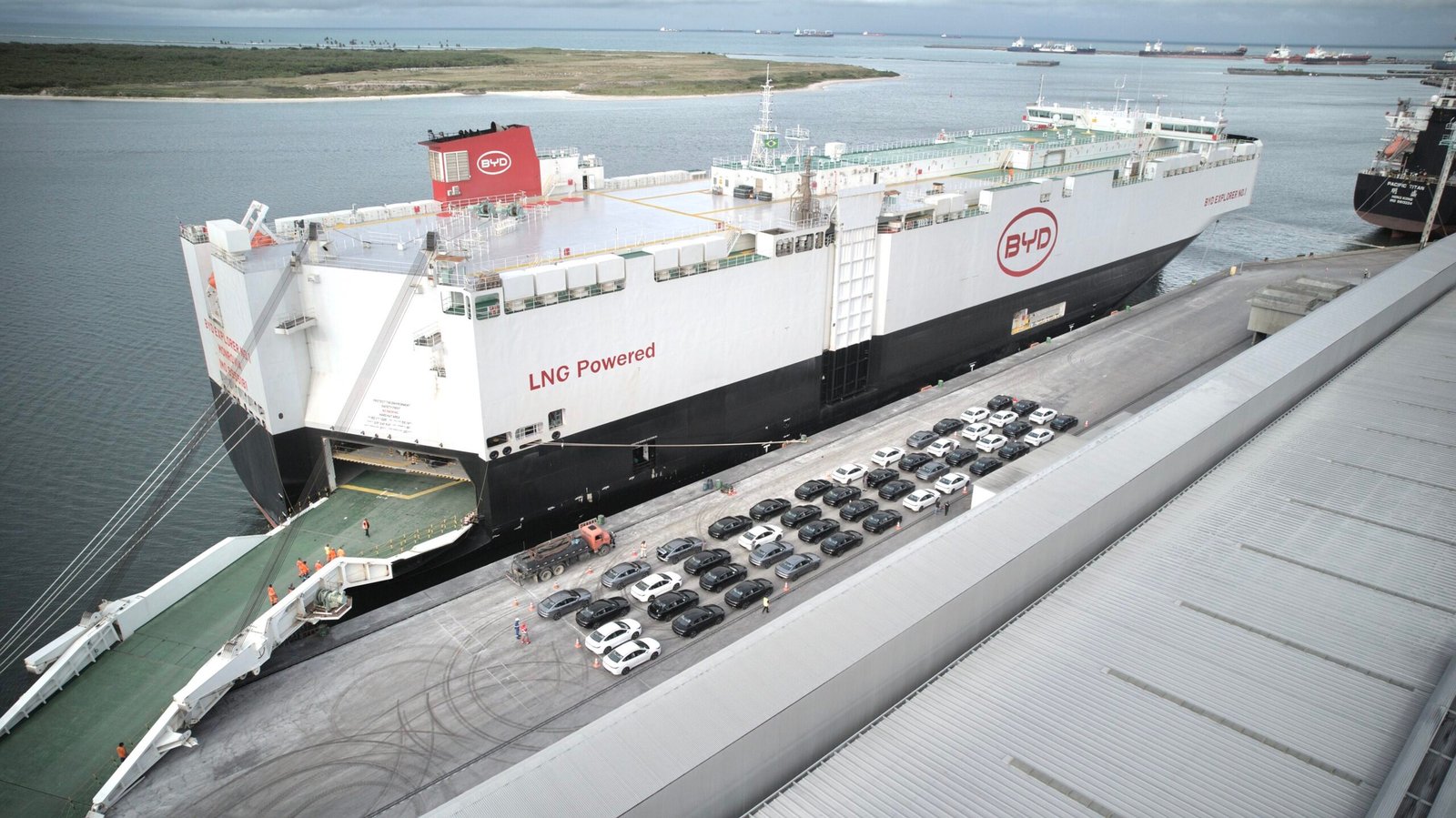
Earlier this month Ottawa cleared a second Chinese automaker to begin importing EVs. BYD, Chery, Geely and Dongfeng have all shown interest in the Canadian market. Tesla, which ships vehicles built in Shanghai, has so far received most of the quota, according to the article, and has also been the largest beneficiary of the federal greenhouse gas credit system. Kingston said Tesla has earned hundreds of millions of dollars selling those credits to automakers that miss federal emissions targets.
Under that system, the Big Three, Toyota and Honda have had to buy credits from Tesla or Lucid, neither of which builds vehicles in Canada, citing Environment Canada data. Kingston called it “egregious” that the credit framework would also apply to new Chinese manufacturers.
A split inside the industry
Global Automakers of Canada, which represents most brands selling here, including Asian and European makers, raised a related point. President Lucas Malinowski said the government must be transparent about how the quota is divided among Chinese companies and should not give the Chinese auto industry a reduced tariff rate. He warned that China is on track to export more vehicles than are produced in all U.S. car plants.
Kingston also pointed to labour costs, saying Chinese companies pay workers the equivalent of $4 an hour against about $45 an hour for unionized Canadian workers, and he cited Europe’s job losses after it let in Chinese EVs: 104,000 auto jobs over two years, with Germany shedding 44,000 in the first half of 2026. The article does not name a source for those figures.
What Ottawa has said
International Trade Minister Maninder Sidhu has said Chinese companies are preparing to enter the market by investing in charging infrastructure and building dealerships. The 2026 federal budget set aside nearly $600 million for more than 55,000 public EV chargers under the Zero Emission Vehicle Infrastructure Program, and the article notes that Chinese-subsidized EV companies could be eligible for grants under those guidelines.
What it means for Canadian buyers
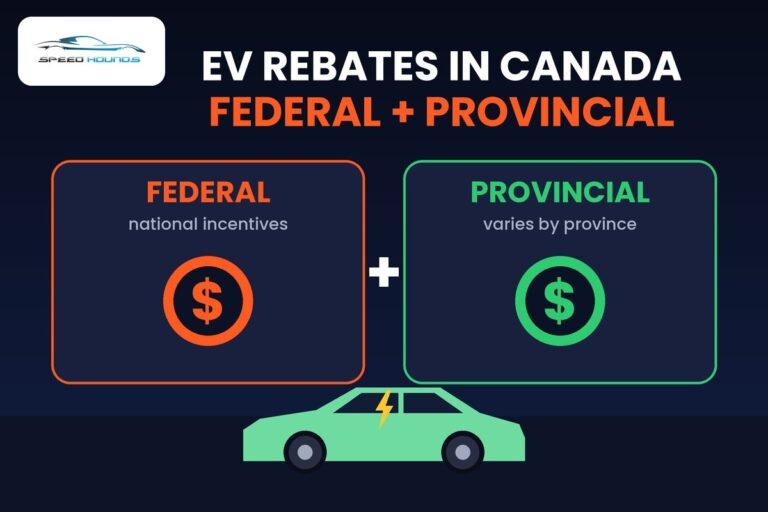
For shoppers, the practical question is price and choice. Cheaper Chinese-built EVs are the immediate upside, while the open question raised by the CVMA is whether gas models would follow at the same 6.1 per cent rate. The federal incentive picture is changing as well: our guide to EV rebates in Canada covers what is available now, and the federal rebate drop to $4,000 on January 1, 2027 will change the math for every EV buyer.
On the import side, see how the second Chinese automaker cleared to import EVs fits into the quota.