Geely i-HEV explained: what it could mean for Canada
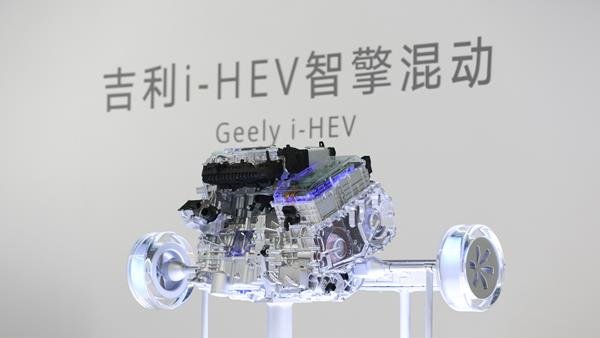
Geely says its new i-HEV Intelligent Hybrid system combines a high-efficiency gasoline engine, a high-power electric drive and AI-assisted energy management. The technology may eventually matter to Canadians because Geely has announced a 2027 Canadian market entry—but no i-HEV model has yet been confirmed for Canada.
The distinction matters when reading the headline numbers. Geely’s fuel-consumption and performance figures come from company testing, China-market vehicles and WLTC measurements. They are not Natural Resources Canada ratings.
What Geely calls i-HEV
In its official release, Geely describes i-HEV as a dedicated hybrid architecture built around an efficient gasoline engine, a high-C-rate battery, an 11-in-1 electric drive unit and software that manages the flow of energy between the engine, motor and battery.
Geely says electric propulsion accounts for approximately 80 per cent of driving time under its cited test conditions and quotes peak electric-motor output of up to 230 kW. These are manufacturer claims tied to the disclosed system and test conditions.
The 48.41-per-cent efficiency claim
The company states that its dedicated hybrid engine reaches peak thermal efficiency of 48.41 per cent, which Geely describes as the highest figure among engines currently in mass production; Speedhounds has not independently verified that industry-wide ranking. Thermal efficiency measures how effectively an engine converts fuel energy into useful work; it is not the same thing as a vehicle’s official fuel-consumption rating.
A high peak figure can help a hybrid system operate efficiently, but real-world fuel use still depends on vehicle mass, aerodynamics, gearing, battery strategy, climate, speed and driving conditions.
What the model-specific numbers mean
Geely reports that a fifth-generation Emgrand i-HEV returned 2.22 L/100 km on a Hainan highway-loop test associated with a Guinness World Records claim. That is a specific manufacturer-reported test result, not a Canadian combined rating.
The company also quotes 3.98 L/100 km on the WLTC combined cycle and 0–100 km/h in 7.7 seconds for the XINGRUI L PLUS. For the XINGYUE L PLUS, Geely has described a 2.0-litre turbocharged i-HEV configuration pairing an approximately 160-kW engine with a 230-kW P3 motor. None of these models or configurations has been confirmed for Canada.
Why Canada is relevant
In its October 9 announcement, Geely Auto said that it had established a Canadian team and was developing a retail and service network ahead of introducing its first vehicles to Canadian customers in 2027. The announcement did not identify the first Canadian models, prices or powertrains.
That leaves i-HEV as a plausible but unconfirmed part of Geely’s Canadian future. Any vehicle offered here would still need Canadian certification, market-specific equipment and published NRCan consumption figures before shoppers could make a direct comparison with hybrids already sold in Canada.
What Canadian buyers should wait for
- A confirmed Canadian model and trim lineup
- Canadian launch timing and MSRP
- NRCan fuel-consumption ratings
- Transport Canada certification and safety specifications
- Warranty, service and dealer-network details
For now, Geely’s announcement is best read as a technology statement rather than a Canadian product launch. The engineering claims are notable, but their practical relevance here will depend on which vehicles Geely Auto Canada actually selects.
For more context on the company’s powertrain strategy, read Speedhounds’ briefing on Geely’s methanol-hybrid technology.